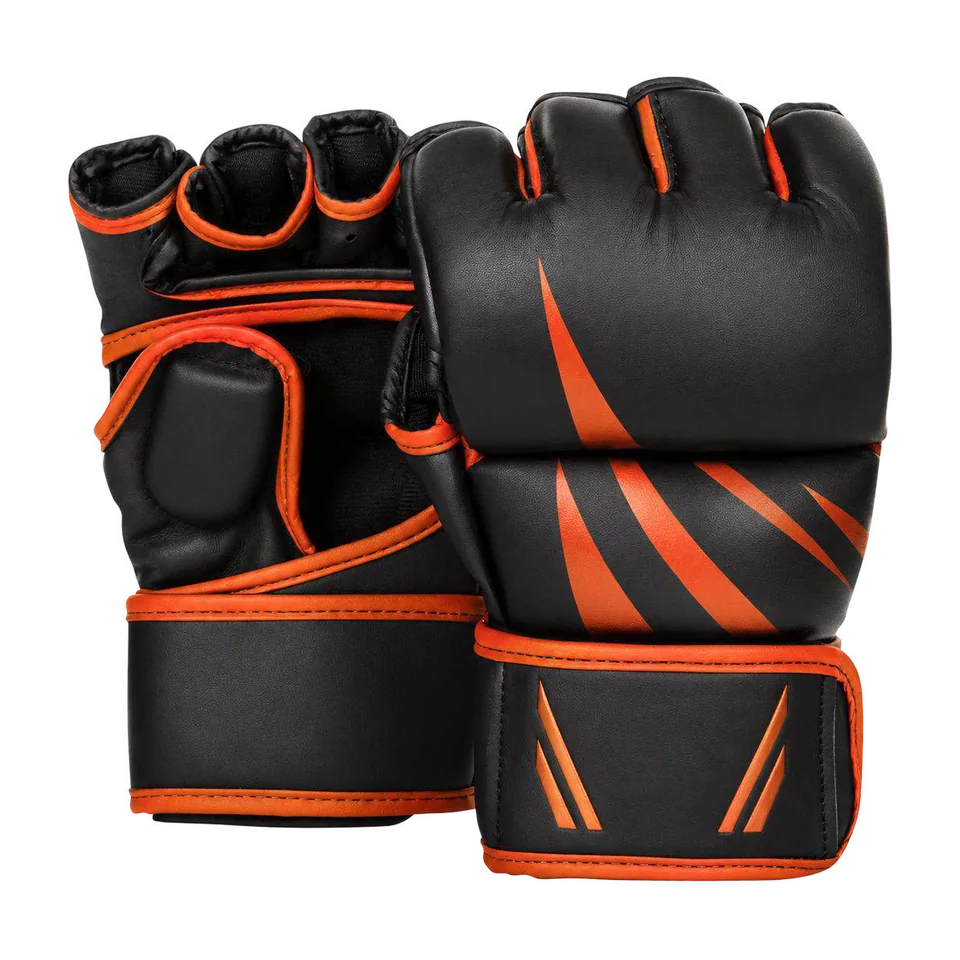
BJJ gis · OEM & private label
BJJ gi manufacturer for private label brands in Sialkot, Pakistan
ForgeSports is a BJJ gi manufacturer making private label jiu jitsu gis (kimonos) for brands, academies and distributors. You choose the weave, fabric weight, colour, branding and packaging. We quote to your specification, build competition lines to the IBJJF's published uniform parameters on request, and send a physical sample for your approval before production starts.
- Quoted per specification
- MOQ confirmed per design
- Competition & training lines
- Sample before production
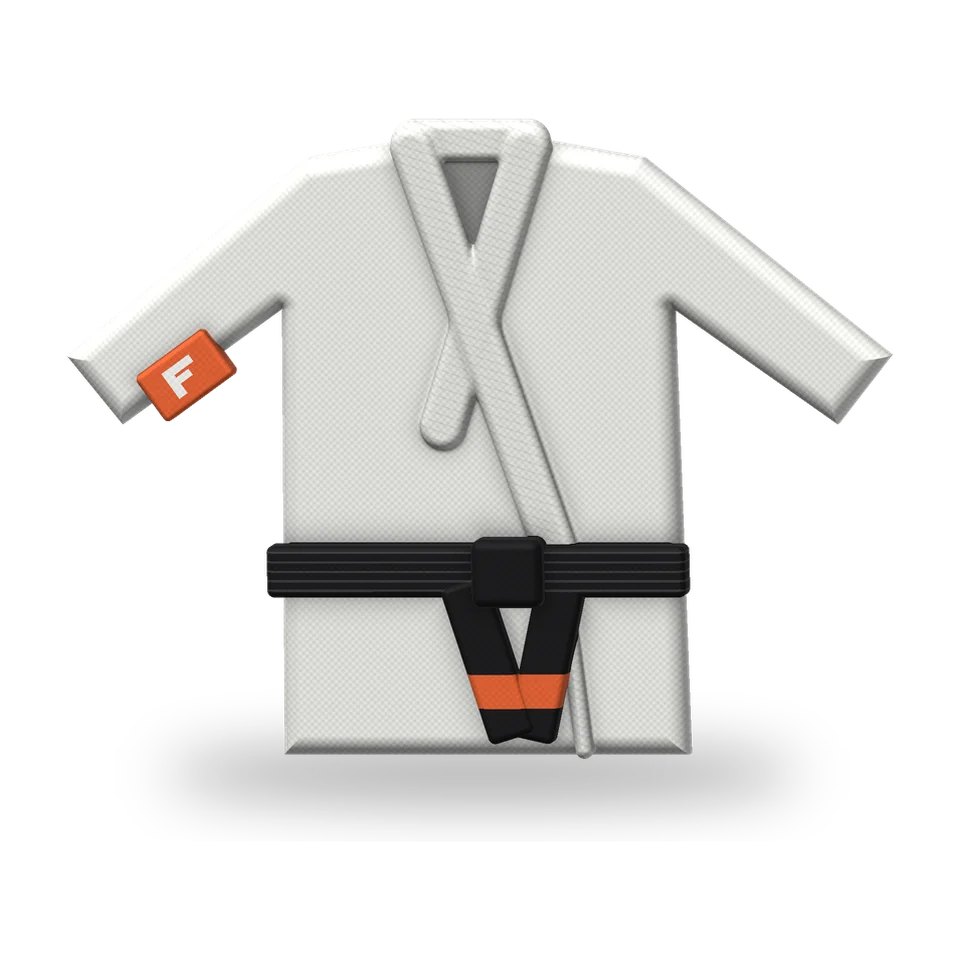
Private label BJJ gisQuoted per spec
Who we make gis for
A custom BJJ gi manufacturer for four kinds of buyer
A brand launching its first gi needs different things from an academy ordering team kit. Tell us which you are, and we'll shape the specification and the quote around it.
BJJ brands & start-ups
Private label BJJ gis under your own name, with your weave, fabric weight, labels, patches, lining and packaging. A common launch range is a white gi plus a black or royal blue one in a competition spec.
Academies & teams
Custom academy gis with your crest on sewn patches or embroidery, and a size run that covers kids, women and adults. If your students compete, keep the team gi in white, royal blue or black so it passes the gi check.
Distributors & wholesalers
Wholesale BJJ gis made to order under your own label, not another brand's stock. Add a core range, such as 450 GSM pearl weave in white, black and royal blue, and source it with your gloves and pads from one supplier.
Amazon & Shopify sellers
Gis packed for e-commerce, with polybags, gi bags or boxes, size labels and barcodes. Send your marketplace's labelling and packaging rules with your brief so they're built into the quote.
Looking for one custom gi for yourself? We manufacture for brands, academies and retailers in production runs, and confirm the minimum per design when we quote.
Spec builder
Your BJJ gi specification: what you can choose
These are the choices buyers make on a private label gi. The right-hand column gives the IBJJF limit for gis sold for competition. Every choice goes into your written specification and is confirmed on the physical sample you approve.
Jacket
| Component | What you can specify | IBJJF competition limit |
|---|---|---|
| Weave | Pearl weave (the industry standard), gold weave, or another textured weave on request | Embossed braided (pearl-type) fabric. Canvas and twill are not accepted for the jacket |
| Fabric weight | Pearl weave, commonly 380–550 GSM: about 380–420 for a light gi, 450 as the all-round standard, 550 for a heavy, durable gi. Gold weave is usually 450–600 GSM | 380–650 g/m² |
| Composition | 100% cotton is standard. Ask about blends | 100% cellulose fibre (cotton, hemp, bamboo and similar), or at least 90% cellulose with no more than 10% synthetic |
| Collar | Rubber or EVA foam core, covered in the jacket fabric, with multi-row stitching | 1–1.3 cm thick and 4.5–5 cm wide. No contrast piping, and no embroidery or print on the collar |
| Reinforcement | Double layers at the shoulders, underarms and skirt slits; bar tacks at stress points; seam tape | Double reinforcement only at the shoulders, underarms and skirt slits. No double forearms. Sleeve and skirt hems no more than 2.5 cm |
| Lining | Printed or sublimated inner yoke, branded seam tape | Printed or non-embossed lining only inside the neck and shoulders |
| Colour | White, black or royal blue. Custom colours for training lines: tell us the shade and we'll confirm feasibility | White, royal blue or black only. Navy is not allowed. Jacket, pants and collar must match |
Pants, fit, sizes & finishing
| Component | What you can specify | IBJJF competition limit |
|---|---|---|
| Pants fabric | Cotton twill (drill), or ripstop in cotton or poly-cotton. 220–300 GSM for competition; heavier fabric for training lines | Twill or ripstop, in a single fabric (the crotch may be braided), 220–300 g/m², at least 55% cellulose |
| Waist | Drawstring, rope, or elastic and drawstring; number of belt loops | No rigid material in the pants fabric. Waistband no more than 5 cm |
| Knees & hems | Double-layer knee panels; reinforced hems | Knee reinforcement starts 10 cm above the pant cuff and stops below the crotch. Hem no more than 2.5 cm |
| Fit | Regular or slimmer competition cut, graded to your size chart | Jacket reaches the thighs; sleeves end within 2 cm of the wrist; at least 7 cm of sleeve clearance; pants end within 2 cm of the ankle bone, with at least 7 cm looseness from the knee down |
| Sizes | Adult A00/A0–A6 with short, long and heavy (wide) variants; women's F1–F5; kids' M000–M4; or your own graded chart | The IBJJF suggests offering pant lengths within one waist size, e.g. A1 Short, A1 Medium, A1 Tall |
| Pre-shrinking | Untreated, pre-shrunk fabric, or garments washed before packing | No figure set, but shrinkage can push sleeves and pants past the 2 cm limits |
| Labels | Woven brand label; composition and GSM label; size, care and origin labels | One external brand label at the bottom of the lapel, up to 8 cm long. Pants tag in thin fabric such as satin, up to 36 cm², not embroidered |
IBJJF limits from the IBJJF Uniform Manual for Manufacturers (linked from ibjjf.com/uniform) and Rules Book, as of 10 October 2026. Typical GSM ranges are industry norms, not IBJJF rules. Size codes vary by brand; there is no universal gi size standard.
We confirm every choice on the approved sample
Your specification sheet lists each option above, and the physical sample proves it: weigh a swatch, measure the collar and run a wash test before you approve. Bulk production follows the approved sample. Want an independent lab to test fabric weight, composition or shrinkage? Tell us at the brief stage and we'll plan it in.
IBJJF compliant gi lines
Competition line vs training line
The IBJJF publishes a Uniform Manual for Manufacturers, linked from ibjjf.com/uniform. It sets the fabric, size, label and colour rules that its gi checkers apply. The current rules took effect after the 2024 Gi World Championships.
Decide for every gi in your range whether it is a competition line or a training line. A competition gi has to pass the gi check at an IBJJF event, where inspectors measure the sleeves, pant legs, collar and sleeve clearance before the athlete weighs in. A training, kids' or lifestyle gi doesn't, so it can use lighter fabric, bolder colours and fully printed linings.
The IBJJF does not approve or certify brands or factories, so "IBJJF approved" on a label is marketing shorthand. What counts is whether the gi in the athlete's bag meets the rules on the day. That's why we build competition lines to the published parameters on request, and you verify them on the sample before production.
Read our IBJJF gi specifications guideWhat a competition line must avoid
- Navy blue: only white, royal blue or black are allowed
- Contrast piping around the collar, inside or out
- Embroidery or print on the collar
- Printed or sublimated lining outside the neck and shoulders
- Pants over 300 GSM, including "10 oz" and canvas pants
- Jackets under 380 GSM (such as 350 GSM "ultralight") or over 650 GSM
- Double forearm reinforcement
- Solid details in a second colour, and iron-on or glued patches
| Competition line (IBJJF parameters) | Training / lifestyle line | |
|---|---|---|
| Fabric | Braided jacket at 380–650 GSM; twill or ripstop pants at 220–300 GSM | Any weave and weight, including 350 GSM ultralight jackets and canvas pants |
| Colours | White, royal blue or black, with every part matching | Any colour, camo, contrast collars and trims |
| Branding | Sewn cotton patches and embroidery in the authorised zones; printed lining in the neck and shoulders only | Anywhere, including fully printed interiors |
| Typical buyer | Brands selling to competitors; academy fight teams | Class uniforms, kids' programmes, lifestyle and travel gis |
| How to describe it | "Built to IBJJF uniform specifications", never "IBJJF approved" | "Training gi", not competition legal |
Section A of the IBJJF manual covers gis for the juvenile, adult and master divisions. If you sell kids' gis for IBJJF kids' events, check the current kids' rules before you market them as competition-ready.
Private label branding
Branding options for private label BJJ gis
Each branding method is an option to discuss: send your artwork and placement, and we'll confirm the method and feasibility, then show it on the sample.
On a competition gi, every logo must sit inside the IBJJF's authorised zones, and never on the collar. Our IBJJF patch placement guide maps the zones.
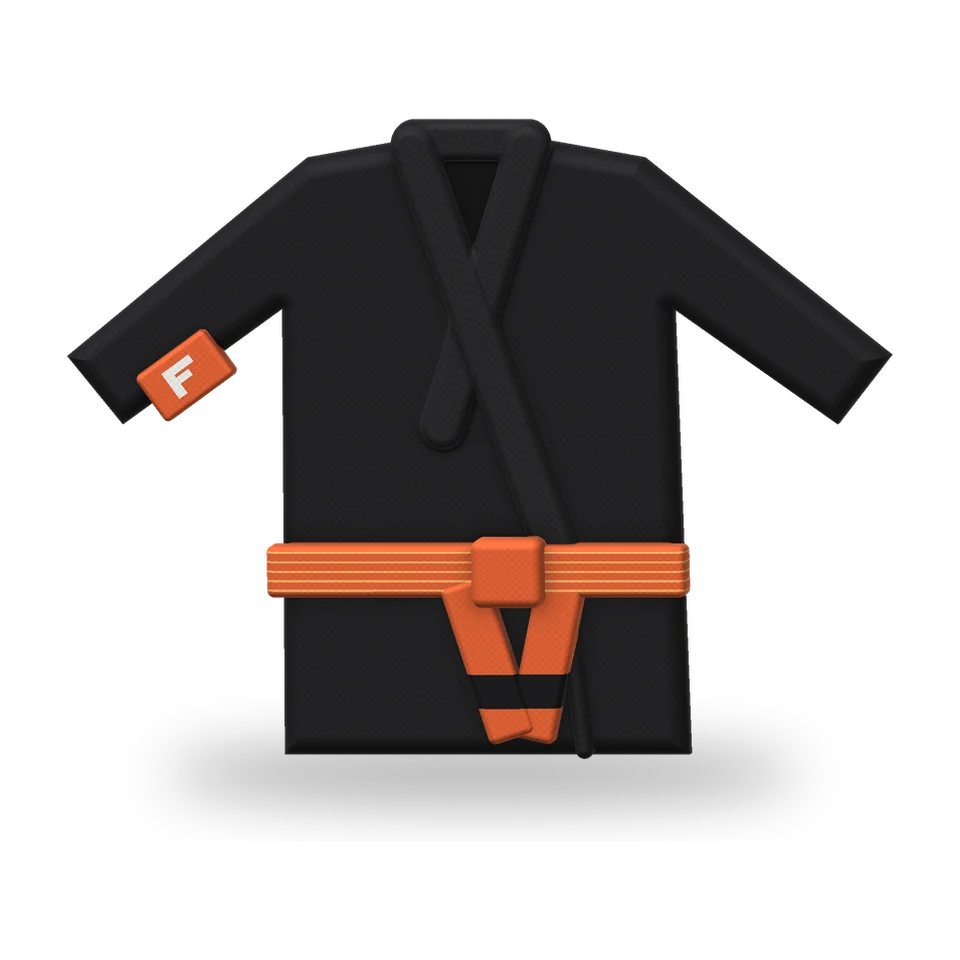
Competition coloursWhite, black, royal blue
Embroidery
Stitched directly into the gi: permanent and clean. Very dense designs can stiffen a panel, so we'll suggest a size and stitch density when we review your artwork.
Sewn patches
Woven or embroidered patches, fully sewn on. For competition gis, the IBJJF Rules Book asks for cotton fabric patches. Iron-on or glued patches are removed at the gi check.
Lapel brand label
One external label at the bottom of the lapel, no more than 8 cm long. No other labels are allowed on, inside or next to the lapel.
Pants leg tag
A tag on the front lower leg in thin fabric such as satin, up to 36 cm² and not embroidered. A second label is allowed below the waistband at the front.
Lining & seam tape
A printed inner yoke or branded seam tape gives a premium finish. On competition gis, printed lining is limited to the inside of the neck and shoulders.
Inside labels
Woven neck labels plus composition, GSM, size, care and country-of-origin labels. The IBJJF suggests a label giving composition and GSM.
Shrinkage
Pre-shrinking: plan for it in the spec
Cotton gis shrink, mostly in the first three to five washes, and more with hot water and tumble drying. On a competition gi, a few per cent of shrinkage can pull sleeves or pant legs outside the IBJJF's 2 cm limit. Here's how to control it:
- Specify the treatment: untreated, pre-shrunk fabric, or garments washed and dried before packing.
- Grade for what's left: cut the pattern so each size lands on your size chart after its first washes, not straight off the sewing line.
- Wash-test the sample: measure jacket length, sleeve and pant length before and after several washes, and approve on the result.
- Print care advice: cold wash and hang dry, on the care label and the swing tag.
| Treatment | Typical shrinkage |
|---|---|
| Fully pre-shrunk | 1–3% |
| Partially pre-shrunk | 3–5% |
| Untreated | 5–10% or more; heavy and gold weaves can reach 10–15% |
Typical industry ranges published by gi brands and retailers, such as the Grapplemaps shrinkage guide and the Kingz size guide. These are not ForgeSports test results. A wash test on your sample gives the figure for your fabric.
Packaging & labelling
Packed for retail, academies or marketplaces
Custom packaging is available on every private label order. Choose what your sales channel needs, and we'll quote it with the gis.
Retail packaging
Branded gi bags, boxes or polybags, swing tags with size and fabric details, and inserts.
Marketplace-ready
Size stickers, barcodes and polybag warnings to your marketplace's rules. Send the requirements with your brief so they're priced in.
Cartons & marks
Cartons packed by size, or by academy order, with carton marks and a packing list your forwarder and warehouse can work with.
Legal labels for your market
In the US, textile garments need fibre content, country of origin, the maker's or seller's identity (company name or RN number) and care instructions on the label. On garments with a neck, the origin goes at or near the inside centre neck. In the EU, gis need a fibre-composition label, and the General Product Safety Regulation requires an EU-based responsible person. Tell us your markets and we'll build these labels in. See the compliance checklist in our import guide.
How we work
From gi brief to shipment in six steps
You approve the specification, the price and a physical sample before any fabric is cut for your order.
Consultation & product brief
Tell us the line (competition or training), weave and GSM, colours, size split, branding and destination. Our English-speaking team goes through it with you.
Specification & commercial approval
We confirm fabrics, weights, dimensions, labels, price, MOQ, payment terms and the estimated timeline in writing, before any sample is made.
Sampling & approval
We make a physical sample and send it to you. Check the fit, collar, fabric weight, branding and a wash test. Production starts only after you approve it.
Production
Your gis are cut and sewn to the approved sample. We send photos and video while they're in production.
Inspection & quality assurance
We check workmanship, materials, branding, sizing, quantity and packaging before dispatch.
Packing & shipment
Gis are packed to your requirements and prepared for your forwarder. We stay in touch until they arrive.
Ordering terms
Pricing, MOQ & timelines for BJJ gis
We don't publish a gi price list, because the cost of a gi depends on the specification: weave and GSM, pants fabric, collar, the number of patches and embroideries, packaging and quantity. Send your specification or a reference gi, and we'll quote against it and point out any choice that pushes the price up.
- Pricing
- Quoted per specification, FOB, in US dollars
- MOQ
- Confirmed per design at quote stage
- Samples
- Physical sample sent for approval before production
- Timeline
- Confirmed in writing at the specification stage
- Payment
- Agreed at commercial approval, before sampling
- Updates
- Photos and video during production
- Packing
- To your specification, ready for your forwarder
What we check before dispatch
- Workmanship: seams, bar tacks, collar stitching and reinforcement placement
- Materials: weave, fabric weight and colour match the approved sample
- Sizing: key measurements per size against your size chart
- Branding: patch, embroidery and label position and colour
- Quantity: the size split per carton against the packing list
- Packaging: bags, swing tags, labels and carton marks
Building a competition line? Add the IBJJF collar and sleeve-clearance measurements to your size chart, and they become part of the check. Using a third-party inspection company? Tell us at the brief stage and we'll plan the inspection into the schedule.
Importing BJJ gis
HS codes & import duty for BJJ gis
A 100% cotton gi, with jacket and pants sold together, is usually classified as a martial-arts uniform: HS 6203.22 for men's and boys' sets, or 6204.22 for women's and girls'. Duty on Pakistan-origin gis varies a lot by market.
| Market | Likely code (cotton gi set) | Duty on Pakistan origin |
|---|---|---|
| USA | 6203.22.1000 / 6204.22.1000 ("judo, karate and other oriental martial arts uniforms") | 7.5% + 10% Section 301 = 17.5%, plus processing fees |
| United Kingdom | 6203 22 80 | 0% under DCTS Enhanced Preferences, with proof of origin (standard rate 12%) |
| European Union | 6203 22 80 | 0% under GSP+, with a REX statement on origin (standard rate 12%) |
| Canada | 6203.22 | 17% (no preferential rate on this line) |
| Australia | 6203.22.00 | 5% |
Rates as of 10 October 2026, from USITC, UK Trade Tariff, EU TARIC, CBSA and ABF data. Non-US codes are shown for men's sets; women's sets fall under 6204.22. The US Section 301 duty applies to Pakistan-origin goods entered from 24 July 2026. Pakistan must reapply for EU GSP+ under the 2027 scheme; current preferences continue through a transition to the end of 2028. Gis with poly-cotton pants, or pieces sold separately, may be classified garment by garment at other rates, so confirm your product's classification with a customs broker.
Origin marking
For the US, every gi needs a permanent "Made in Pakistan" label in English. We can add it to your neck or composition label.
Full import guide
HS codes, duty for the US, UK, EU, Canada and Australia, Incoterms, shipping and payment.
See duty rates by market
FAQ
BJJ gi buyer questions
What is the MOQ for custom BJJ gis?
We confirm the MOQ per design when we quote. It depends on whether your fabric and colour are standard or woven and dyed to order, and on your branding. Tell us your quantity and size split per design, and we'll confirm how the minimum applies across sizes. For context, Sialkot gi makers typically publish minimums of 10 to 50 gis per design.
How much does a private label BJJ gi cost?
BJJ gis are quoted per specification, FOB in US dollars. Weave and GSM, pants fabric, branding, packaging and quantity drive the price. Send your specification or a reference gi, and we'll quote against it.
Are your gis IBJJF approved?
No gi is "IBJJF approved", because the IBJJF does not approve or certify brands or factories. It publishes a Uniform Manual for Manufacturers and checks each athlete's gi at its events. On request, we build competition gis to those published parameters, and you verify them on the approved sample.
Which GSM should I choose for a BJJ gi?
As a rule of thumb: about 380–420 GSM for a light competition gi, 450 GSM as the all-round standard, and 550 GSM for a heavier, more durable gi. Stay within 380–650 GSM if the gi is sold for IBJJF competition. 350 GSM "ultralight" gis are below the IBJJF minimum, so sell them as training or travel gis.
Pearl weave or gold weave: which should I sell?
Pearl weave is the industry standard: lighter, comfortable and less prone to shrinkage. Gold weave is heavier and very durable, but it usually shrinks more, so it needs careful pre-shrinking and grading. Either can go into a competition line, as long as the fabric is a braided weave between 380 and 650 g/m².
Can I mix sizes and colours in one order?
You can usually split one design across sizes, so tell us your size split when you ask for a quote. A different colour normally counts as a separate design, because the fabric is dyed separately. We confirm in writing how the MOQ applies to your mix.
Where can my logo go on a competition gi?
On sewn cotton patches or embroidery inside the IBJJF's authorised zones: the upper sleeves, upper chest, skirt, upper back and pant legs. Never on the collar. Add one brand label (up to 8 cm) at the bottom of the lapel and a thin, non-embroidered tag (up to 36 cm²) on the front lower pant leg.
How long does a BJJ gi order take?
We confirm the timeline in writing at the specification stage. As a guide, gi samples in Sialkot typically take one to three weeks, and bulk production typically takes three to eight weeks after sample approval, depending on fabric availability, dyeing, quantity and branding. Then add freight: about a week by air, or several weeks by sea.
Can you copy another brand's gi?
We can match the construction and specification of a reference gi: weave, GSM, collar, reinforcements and fit. We don't reproduce other brands' logos, trademarks or protected designs. Your gi carries your brand.
Plan your gi line
BJJ · Specifications
IBJJF gi rules for brands
Every figure from the IBJJF uniform manual: fabric weights, collar, fit, colours, labels, patch zones and belts, plus a pre-production checklist.
Read the guide Private label & OEMHow private label works
What to send with your enquiry, how sampling works and what you can customise across our range.
Private label ImportingImport from Pakistan
HS codes, duty by market, Incoterms, shipping routes and a compliance checklist for importers.
Read the import guide
Request a quote
Get your FOB quote
Tell us the product, quantity and branding you need. Our English-speaking team confirms specification, price, MOQ and timeline before any sample is made.
- MOQ from 20 pairs on boxing & MMA gear
- Physical sample approved before production
- Photos and video sent during production
- WhatsApp +92 300 180 9474
- Call +92 300 180 9474
- business@goforgesports.com
- Instagram @forgesportsglobal
- Facebook /forgesports
- Airport Road, Kawarpur, Sialkot, Pakistan